Introduction
For startups and small factories entering the plastic cup printing industry, controlling initial investment is critical. A single color plastic cup screen printing machine is widely recognized as the most cost-effective solution for beginners.
If your business focuses on simple logos, brand text, or one-color designs, choosing a low price screen printing machine allows you to start production quickly with minimal financial risk.
Why Choose a Low Price Single Color Screen Printing Machine?
A single color screen printing machine is designed for simple, high-demand applications such as logos and basic branding.
Key Advantages:
Low investment cost – ideal for startups and small businesses
Simple operation – easy to learn and maintain
Stable printing quality – suitable for consistent logo printing
Compact machine size – saves factory space
Entry-level machines can cost significantly less than multi-color offset systems, making them perfect for businesses with limited budgets.
Key Features of Single Color Plastic Cup Printing Machine
Based on industry-standard configurations, this type of machine typically includes:
Screen printing technology for curved surfaces like plastic cups
Printing speed: around 1000–5000 cups/hour depending on automation level
High printing accuracy: up to ±0.5mm for clear logo output
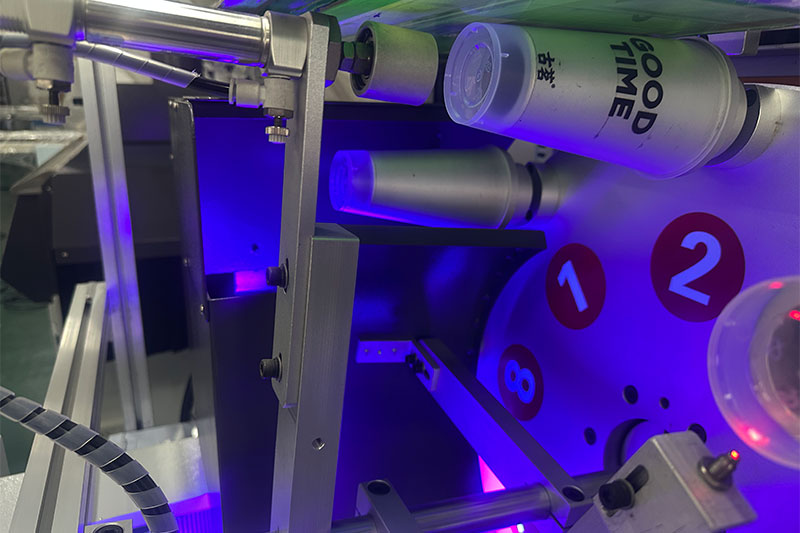
UV or air drying system for fast ink curing
PLC or semi-automatic control system for stable operation
These machines are engineered specifically for cylindrical and conical products, ensuring consistent ink transfer on plastic surfaces.
Typical Applications
A low-cost single color cup printing machine is widely used for:
Milk tea cups
Coffee takeaway cups
Promotional cups
Disposable beverage cups
Yogurt containers
For businesses printing simple logos or single-color branding, this machine provides all necessary functionality without unnecessary complexity.
Production Workflow
The working process is straightforward:
Cup loading (manual or semi-auto)
Surface treatment (optional flame or corona)
Screen printing (single color)
UV drying or air curing
Cup unloading and collection
Modern machines may integrate automation such as feeding and UV curing to improve efficiency.
Who Should Buy This Machine?
This machine is ideal for:
Startups
Low budget investment
Small order volumes
Local printing services
Small Factories
Stable single-color production
Cost-sensitive operations
Printing Service Providers
Custom logo printing for events or brands
If your customers mainly require one-color printing, investing in a multi-color machine is unnecessary.
Cost vs Performance: Why It’s a Smart Choice
Compared to multi-color offset machines:
Single Color Screen Printing: Low investment, Medium speed, Suitable for simple logos
Multi-Color Offset Printing: High investment, Very High speed, Suitable for complex designs
A single color machine provides the lowest cost per entry, making it the best option to start and test the market.
Business Growth Strategy
Many successful factories follow this path:
Start with single color screen printing machine
Build local customer base
Expand to 4/6/8 color offset printing machines
Enter high-end packaging market
This step-by-step investment strategy reduces financial risk while scaling production capacity.
Conclusion
A low price plastic cup screen printing machine is the most practical choice for beginners entering the cup printing business. It offers:
Affordable investment
Reliable performance
Simple operation
Fast return potential
For businesses focused on cost efficiency and simple designs, this machine delivers excellent value.
FAQ Section
Q1: What is the cheapest plastic cup printing machine?
A single color screen printing machine is the most affordable option for beginners.
Q2: Is single color printing enough for business?
Yes, many brands use simple one-color logos, especially in local markets.
Q3: What is the printing speed?
Typically 1000–5000 cups per hour depending on the model.
Q4: Can I upgrade later?
Yes, you can expand to multi-color offset printing machines as your business grows.
Q5: Is it suitable for small factories?
Yes, it is ideal for startups and small-scale production.